Colindale tube station verge planting and local gardeners help: a practical guide to greener station edges
Verge planting might sound like a small detail, but around a busy transport hub it can make a real difference. In the case of Colindale tube station verge planting and local gardeners help, the conversation is really about more than flowers or tidy edges. It is about visibility, safer-looking streets, better first impressions, and planting that can cope with a hard-working London environment. If you have ever walked past a station frontage on a wet November morning, you will know the difference between an area that feels looked after and one that feels forgotten. Tiny, yes. But not trivial.
This guide explains what verge planting involves, why local gardeners matter, and how a sensible planting plan is put together and maintained. It also looks at the practical side: access, upkeep, seasonal changes, safety, and the sort of decisions that help planting last rather than fail after the first dry spell. To make it genuinely useful, we have kept it grounded in real garden work rather than glossy ideas that do not survive London weather. You will also find a checklist, a comparison table, and a few straight answers to the questions people tend to ask when they are trying to get this sort of thing done properly.
Why Colindale tube station verge planting and local gardeners help Matters
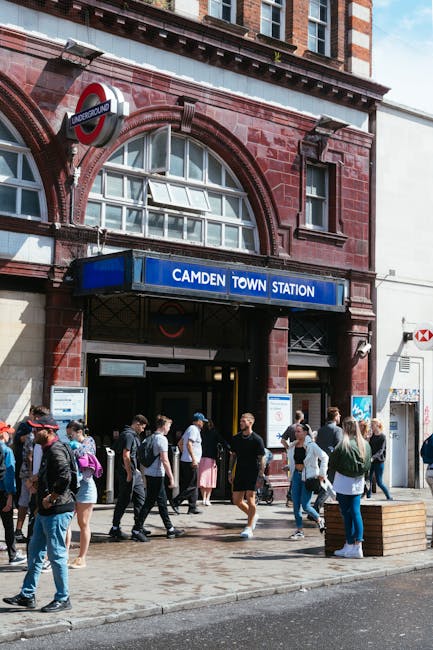
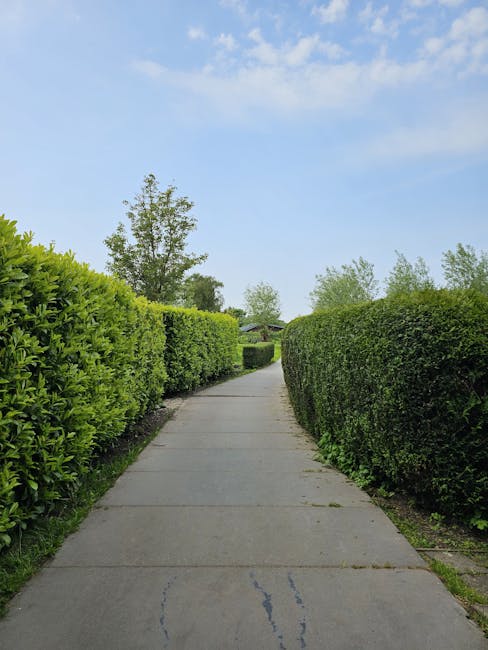
Station verges are more than decorative strips. They sit in the public eye, often next to paving, busier roads, and foot traffic that never really stops. Around Colindale, a planted verge near the tube station can soften hard edges, reduce the feeling of neglect, and create a better welcome for commuters, residents, and visitors. When planting is done badly, it can look patchy within weeks. When it is done well, it quietly improves the whole area.
Local gardeners bring something useful that is easy to overlook: understanding of the place itself. They know how exposed a site can be, how quickly compacted soil dries out, how litter and footfall affect the planting edge, and which plants will keep going without constant fuss. That local awareness is often the difference between a verge that looks good for a month and one that carries through the seasons.
There is also a social value here. A cared-for verge can signal that an area is maintained, and that tends to encourage more care from everyone else too. It is not magic, of course. But tidy, resilient planting can make a station approach feel safer and more pleasant, especially in the darker months when a bit of greenery goes a long way.
Expert summary: the best verge schemes are not the prettiest on day one. They are the ones that can survive traffic, weather, pruning, and the occasional bit of everyday wear-and-tear without becoming a mess.
How Colindale tube station verge planting and local gardeners help Works
In practical terms, verge planting is a small-scale landscape project. It usually starts with assessing the site, then selecting plants, preparing the soil, installing the planting, and setting up a maintenance routine. Around a station, each of those stages matters more than it would in a private garden because the space is public-facing, often more exposed, and usually expected to stay neat.
A local gardener helping with this kind of work will normally think about five things at once:
- sun and shade across the day
- soil condition and drainage
- wind, heat reflection, and splashback from roads
- foot traffic, sight lines, and access
- how much maintenance the planting will realistically receive
That last point is the one people sometimes underplay. A verge planting scheme needs to be maintainable, not just attractive. If the plant choices demand constant watering or delicate pruning, they will probably struggle once the weather turns warm or staff availability changes. Better to choose plants that tolerate urban conditions and keep their shape with light, regular care.
In many cases, the work also includes some broader garden maintenance tasks nearby, especially where the verge connects to other public or semi-public planting. If the wider area needs clearing first, a gardener may begin with garden clearance before any fresh planting goes in. Where ongoing upkeep matters, routine garden maintenance keeps the space from slipping back into a tired-looking strip of soil and weeds.
And yes, sometimes the hard part is just getting the basics right. Good edging, proper soil preparation, and a watering plan sound unglamorous, but they save a lot of trouble later. Truth be told, that is where most successful public planting begins.
Key Benefits and Practical Advantages
Colindale tube station verge planting and local gardeners help can deliver benefits that are both visual and practical. The strongest projects are never just about appearance; they solve a few small problems at once.
- Better first impressions: A planted verge makes a station entrance feel cared for and more welcoming.
- Improved local identity: Thoughtful planting can give a station frontage a more distinct, neighbourhood feel.
- Resilience in a busy environment: The right plants cope better with urban heat, compacted soil, and variable rainfall.
- Reduced weed pressure: Dense planting, once established, often leaves less bare soil for weeds to take hold.
- Easier long-term upkeep: A sensible scheme is easier to maintain than repeated reactive tidying.
- Safer-looking public realm: Neat verges and clear sight lines help an area feel more orderly and less neglected.
There is a quieter advantage too. A planted verge can help people feel the station belongs to the area, not just the transport network. That sounds a bit abstract, maybe. But local details matter. A cluster of hardy grasses, a clean line of low shrubs, or seasonal colour in the right place can subtly change how people experience the walk from platform to pavement.
If the scheme includes trees or larger structure planting, some projects also benefit from an initial check on safety and spacing. For anything involving mature growth or branches near access routes, tree lopping and removal may be relevant in a broader landscape plan. For ongoing shaping around approach routes, hedge trimming can help maintain clear edges and tidy lines without overcomplicating the design.
Who This Is For and When It Makes Sense
This kind of work is usually relevant to people who are responsible for, or concerned about, the look and upkeep of shared outdoor spaces near Colindale station. That might include local property managers, estate teams, community groups, business owners nearby, or anyone working on an improvement plan for a frontage that feels a bit unloved.
It also makes sense if:
- the verge is bare, muddy, or repeatedly weed-covered
- the area needs a more welcoming appearance without major construction
- there is a recurring issue with edge damage, trampling, or litter collection
- the planting has previously failed and needs a tougher, simpler redesign
- you want a plan that can be maintained by local gardeners rather than specialist contractors alone
Sometimes the trigger is seasonal. Spring can make a bare verge feel unfinished, while autumn tends to expose weak planting that looked fine in July. You notice it more then. The leaves fall, the light drops, and suddenly the patchy bits become impossible to ignore. That is usually when people start asking what could be improved, and how much help is needed to keep it under control.
If you are weighing up whether to bring in help, it is sensible to look at the whole picture rather than only the planting itself. A verge often sits alongside paths, railings, small retaining edges, and nearby soft landscaping. In those cases, services like landscape gardening or broader landscaping support may be the more practical route than a one-off plant installation.
Step-by-Step Guidance
If you want the verge planting to last, the process needs to be thoughtful from the start. Here is the sort of sequence that tends to work well.
- Assess the site properly. Look at sunlight, shade, drainage, soil quality, nearby foot traffic, and any restrictions around access.
- Clear the area. Remove weeds, litter, dead planting, and any accumulated debris. A clean base makes every following step easier.
- Decide on the purpose. Is the planting mainly decorative, protective, low-maintenance, seasonal, or all of the above?
- Choose the right plant mix. Go for tough, compact, and site-appropriate varieties rather than demanding plants that need constant attention.
- Prepare the soil. Improve structure where needed, but do not overdo it. Public verges often benefit more from balance than from heavy enrichment.
- Install with spacing in mind. Plant too tightly and you create competition; too loosely and weeds move in. There is a sweet spot.
- Add mulch where appropriate. Mulch helps retain moisture and suppress weeds, provided it is used properly and kept away from stems.
- Set a maintenance rhythm. Watering, weeding, replacement planting, and light trimming should be planned from day one.
That final step matters most. A lot of planting failures come from the simple assumption that once the plants are in, the job is finished. It is not. The first few months are the make-or-break period, especially in exposed or high-traffic locations.
Where the project needs a clean, blank starting point, a professional garden clearance can save time and reduce accidental damage to retained planting. After that, a maintenance cycle based on the site's real needs is what keeps the verge from drifting back into chaos. A bit blunt, but true.
Expert Tips for Better Results
From a practical gardening point of view, the best verge schemes are usually the least fussy. The plants do the work, not the maintenance headaches. A few tried-and-tested habits make a big difference.
- Choose plants for endurance, not novelty. The unusual option can look exciting, but resilience wins nearly every time in public settings.
- Repeat plant groups. A simple repeated pattern often looks more intentional than a clutter of different species.
- Keep the palette restrained. Too many colours or textures can make a small verge feel busy and messy.
- Plan for sight lines. Low planting near access points is usually safer and feels tidier.
- Think in seasons, not snapshots. A verge should have something to offer in winter, not only in June.
- Accept a little imperfection. Public planting is lived in; it is never a magazine spread, and that is fine.
One small but important detail: make sure the planting edge is easy to maintain with standard tools. If the team has to awkwardly lean, stretch, or step into the verge every time they weed it, the area will not stay neat for long. Design with maintenance in mind, always.
If sustainability is part of the brief, it is worth considering reusable materials, responsible waste handling, and lower-input planting choices. The site's recycling and sustainability approach is a helpful reminder that good garden work is not only about what gets planted, but also about what gets reused, composted, or disposed of correctly.
Common Mistakes to Avoid
Most verge planting problems are predictable. That is the good news. The less good news is that they repeat a lot, because people often rush the decision-making stage.
- Using the wrong plants for the site: Shade-loving plants in full sun, thirsty plants in dry spots, or tall species where low growth is needed.
- Ignoring soil compaction: Station verges can be harder and poorer than people expect. A quick surface tidy is not enough.
- Overplanting: Cramped planting often looks impressive for a week, then struggles.
- Underestimating maintenance: Even low-maintenance planting needs some attention. "Low" does not mean "none".
- Forgetting edge protection: Without some thought to borders or separation, foot traffic can quickly wear a verge down.
- Choosing high-water plants for exposed areas: They might survive in a sheltered garden, but public verges are different beasts.
There is also a softer mistake: making the project too complicated. It is tempting to add layers, colours, and features. But on a compact station verge, clarity usually beats ambition. A simple, durable scheme often looks better at month twelve than a clever one does at week three. That is the bit people forget.
Tools, Resources and Recommendations
A good verge planting job does not need a warehouse full of kit, but it does need the right basics. The exact tools will depend on the size and condition of the site, yet the following are commonly useful:
- spades and border forks for preparation
- hand trowels for careful planting
- secateurs and pruners for light shaping
- watering cans or hose access, where practical
- mulch and compost suitable for the site conditions
- gloves, litter pickers, and basic safety kit
For local teams, it can also help to have a service plan that covers regular upkeep rather than waiting for the verge to look tired. A structured maintenance visit can include weed removal, light pruning, check-ups on plant health, and replacement of damaged specimens. If you need a broader service wrapper, the services overview is a sensible place to compare what ongoing support may look like.
One more practical note: if the project sits alongside a paved entrance, seating area, or hard edge, little details like runoff and debris movement matter more than people think. Water does not always go where you expect. Neither do leaves. Nature has a cheeky habit of rearranging your best intentions.
Law, Compliance, Standards, or Best Practice
Because verge planting near a tube station sits in a public environment, best practice matters. Exact responsibilities can vary depending on land ownership, management arrangements, and local authority involvement, so it is sensible to confirm who controls the site before work starts. That sounds obvious, but it is the point people skip and then regret.
A careful approach usually includes:
- checking access arrangements before carrying out work
- making sure plant placement does not obstruct sight lines, paths, or emergency access
- using safe working methods where tools, traffic, or public movement are involved
- keeping records of what has been planted and how it should be maintained
- making sure any waste is handled responsibly and in line with site requirements
Where contractors or gardeners are involved, it is good practice to work with providers that can show sensible insurance and safety arrangements. If you are comparing help, it is fair to ask how they manage risk, what their working method looks like, and how they handle public-facing sites. The details matter. A trusted contractor should be able to explain this without fluff. You can also look at insurance and safety information and the health and safety policy for a clearer picture of how a responsible service is run.
For people who want clarity on business terms, payment expectations, or what is included in a service, the site's payment and security and terms and conditions pages are useful supporting reads. Not glamorous, perhaps, but essential when work is being arranged properly.
Options, Methods, or Comparison Table
There is no single best method for every Colindale verge. The right approach depends on how visible the site is, how much maintenance is realistic, and whether the goal is colour, structure, resilience, or all three. Here is a simple comparison to help with decision-making.
| Approach | Best for | Maintenance level | Typical strengths | Possible drawbacks |
|---|---|---|---|---|
| Hardy perennial planting | Long-term visual consistency | Moderate | Reliable structure, repeated seasonal return, good urban tolerance | Needs correct spacing and early establishment care |
| Low shrubs and ground cover | Durability and weed suppression | Low to moderate | Neat look, resilient, can define edges well | May feel less colourful if not balanced with seasonal interest |
| Seasonal bedding | Short-term impact and colour | Higher | Bright first impression, easy to refresh | Often more labour-intensive and less durable |
| Mixed native-style planting | Naturalistic public realm schemes | Moderate | Good texture, useful biodiversity value, softer appearance | Needs careful selection to avoid looking untidy or too tall |
In many real-world cases, the best answer is a blend. A tough low layer for structure, a few more expressive plants for character, and a maintenance plan that does not ask too much of anyone. That tends to work. A bit plain at first glance, maybe, but steady wins here.
Case Study or Real-World Example
Picture a small verge near a station entrance that has become patchy, compacted, and full of weeds after a few seasons of neglect. Nothing dramatic. Just one of those spaces that makes people sigh quietly as they walk past. The first instinct is often to "just plant it up", but that usually leads to another short-lived fix.
A better approach is to strip the area back, improve the surface conditions where possible, and replant with a simplified scheme built around hardy, low-maintenance species. The layout is kept low near the path for visibility, with denser planting further back to reduce bare soil. Edges are made easy to reach. Watering is planned for the early establishment period. Maintenance visits are scheduled before the area looks rough again.
The practical result is not only that the verge looks better. It becomes easier to keep it looking better. That is the real win. It sounds modest, but for a station frontage, modest and dependable often beats ambitious and short-lived. I have seen that pattern more times than I can count.
If the site needs a fresh start before planting, a proper clean-out is often the smartest first step. Where the surrounding space also needs regular attention, services such as lawn mowing and hedge trimming can help keep the wider setting consistent and tidy, rather than leaving the verge looking isolated from everything around it.
Practical Checklist
Use this quick checklist before starting or reviewing a verge planting project near Colindale tube station.
- Have the site boundaries and ownership or responsibility been confirmed?
- Has the verge been cleared of litter, weeds, and dead material?
- Has the soil been assessed for compaction, drainage, and general condition?
- Are the chosen plants suitable for exposure, foot traffic, and low-to-moderate maintenance?
- Will the planting keep sight lines open and avoid obstructing paths?
- Is there a watering plan for the first establishment period?
- Has a maintenance cycle been agreed, not just a planting date?
- Are safety, insurance, and working methods appropriate for a public-facing site?
- Is the design simple enough to be maintained consistently?
- Is there a plan for replacing failed plants without delaying repairs?
Quick takeaway: if a verge can survive a busy week, a dry spell, and a routine trim without looking sorry for itself, you are probably on the right track.
Get a free quote today and see how much you can save.
Conclusion
Colindale tube station verge planting and local gardeners help is really about making a small piece of public landscape work harder and look better for longer. It is part design, part maintenance, part common sense. The right plants matter, yes, but so does the plan behind them: how they will be watered, trimmed, weeded, and renewed as the months pass.
If you keep the scheme simple, choose resilient planting, and work with local gardeners who understand the realities of station-edge conditions, the result can be quietly excellent. Not flashy. Not fussy. Just steady, welcoming, and easy to maintain. And honestly, that is usually what the best public planting does. It earns its place without making a scene.
For more about the team and the way work is approached locally, you can also visit the about us page or use the contact page when you are ready to discuss the next step.
Sometimes the smallest green changes make the biggest difference to how a place feels when you arrive. That is worth doing well.
Frequently Asked Questions
What is verge planting near Colindale tube station?
It is the planting and upkeep of narrow grass or soil strips beside roads, paths, or station approaches near Colindale tube station. The aim is usually to improve appearance, structure, and resilience in a public-facing space.
Why do local gardeners matter for this kind of work?
Local gardeners understand the area's conditions, such as exposure, foot traffic, and maintenance pressure. That helps them choose plants and routines that are more likely to last.
Is verge planting mainly decorative?
No, not really. Decoration is part of it, but the bigger goal is usually to create a tidy, durable, low-maintenance space that looks cared for and holds up in a busy environment.
What plants work best for station verges?
Hardy, compact, and low-maintenance plants tend to work best. In practice, the right choice depends on sun, shade, soil condition, and how much upkeep the verge will receive.
How often does a planted verge need maintenance?
That depends on the design and the season, but most public-facing verges benefit from regular light maintenance rather than occasional heavy intervention. Early establishment usually needs closer attention.
Can verge planting help reduce weeds?
Yes, if the planting is dense enough and the soil is prepared properly. Bare ground invites weeds. Well-planned planting makes it harder for them to settle in.
What are the most common reasons verge planting fails?
Wrong plant choice, poor soil preparation, insufficient watering, and lack of maintenance are the big ones. Overcrowding and neglect after planting also cause trouble.
Do you need permission before changing a verge near a station?
Usually you should confirm who is responsible for the land and what access or working arrangements apply. Because these are public-facing areas, it is best to check before any work starts.
Is there a difference between verge planting and landscaping?
Yes. Verge planting is a smaller, more specific part of the wider landscape picture. Landscaping can include paths, borders, structural changes, and broader site design, while verge planting is usually focused on narrow edges and planting bands.
How can I keep a verge looking tidy without overdoing it?
Use a simple planting plan, keep edges clear, trim lightly and regularly, and avoid complicated plant mixes that need constant correction. Simple usually stays tidy longer.
What should I ask a gardener before hiring them for this job?
Ask about their approach to site assessment, plant selection, maintenance, safety, and how they would handle public-facing work. It is also sensible to ask how they structure pricing and what is included.
Can verge planting be part of a wider improvement plan?
Absolutely. It often works best as part of a broader approach that includes maintenance, clearing, trimming, and possibly wider landscaping. A verge rarely exists in isolation, after all.