Grahame Park Estate Garden Maintenance from Colindale Gardeners
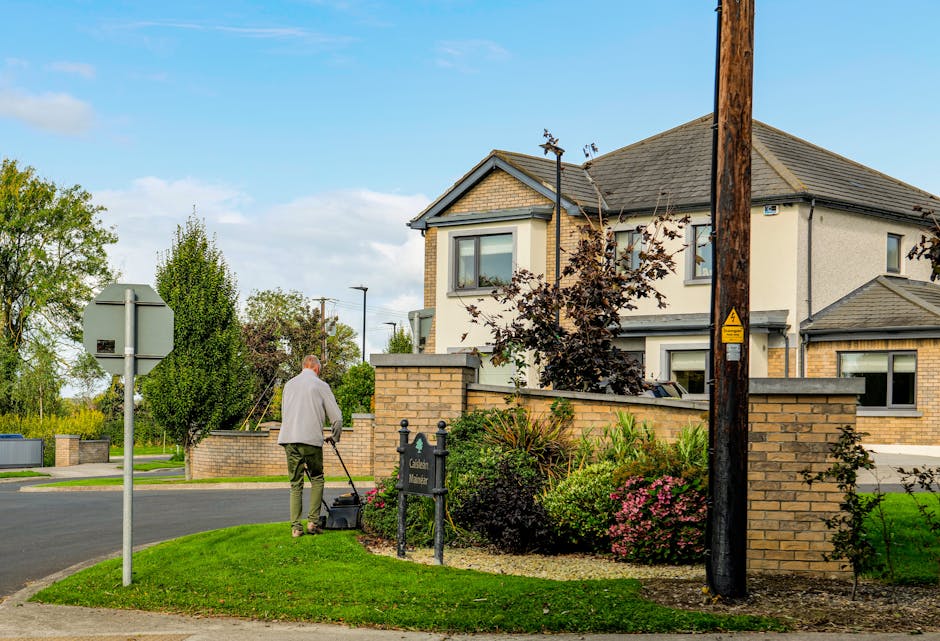
If you live on Grahame Park estate, you already know the garden can change fast. One wet week and the lawn looks tired. A windy spell and hedges start leaning out of shape. Bits of leaf litter gather in corners, paths get slippery, and suddenly a once-neat shared space feels like it needs a proper reset. That is exactly where Grahame Park estate garden maintenance from Colindale gardeners makes a difference. It is not just about cutting grass or trimming a few shrubs. It is about keeping an estate garden tidy, safe, usable, and presentable all year round.
This guide explains what that maintenance usually includes, how it works in practice, who benefits most, and what to expect if you are comparing options. You will also find a checklist, a comparison table, and a few grounded tips from real-world garden care experience. Let's face it, estate gardens need consistency more than heroics.
Why Grahame Park estate garden maintenance from Colindale gardeners Matters
Estate gardens are different from a single private lawn. They are used by more people, seen by more people, and worn by more people. That means the work has to balance appearance, safety, access, and long-term plant health. A missed cut on one small lawn patch is one thing. A missed cut across a communal frontage or shared green can quickly make the whole estate feel neglected.
On Grahame Park estate, the practical pressure is often simple: people want the outside space to look cared for without becoming a burden for residents or property managers. If bins, footpaths, hedges, and planting beds all sit in the same landscape, then maintenance has to be organised rather than occasional. The difference shows in the day-to-day. Tidy edges. Better sightlines. Fewer trip hazards. Less mess after storms. And, to be fair, a much better first impression when visitors arrive.
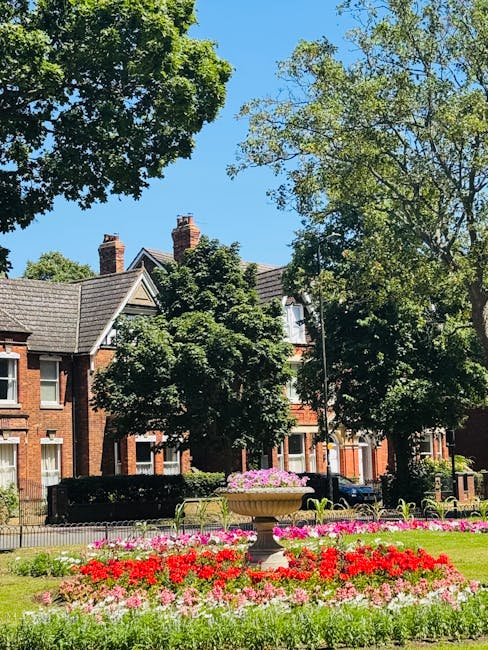
There is also a softer side to it. Green spaces affect how people feel about where they live. When an estate garden is well looked after, it can feel calmer and more welcoming, even on a damp Tuesday morning. That matters more than people sometimes admit.
If you want a fuller view of the wider service picture, it helps to start with the Colindale gardeners services overview and then narrow down the support you actually need.
How Grahame Park estate garden maintenance from Colindale gardeners Works
In practice, estate garden maintenance usually follows a planned routine rather than a one-off tidy-up. The exact schedule depends on the size of the site, the season, the planting style, and how heavily the space is used. A compact communal lawn with a few shrubs needs a different rhythm from a larger estate frontage with hedges, borders, and scattered trees.
A typical maintenance visit may include lawn mowing, strimming, hedge trimming, edging, weeding, leaf clearance, pruning of light growth, and checking that paths and access points stay clear. Where the site needs more restorative work, a team may combine routine care with heavier tasks such as garden clearance or selective landscaping adjustments.
One thing people sometimes overlook is that good maintenance is as much about observation as it is about cutting and clearing. A skilled gardener notices where water sits after rain, which hedge has started to thin out, whether a shrub is blocking a path, and where weeds keep coming back from. That is the kind of practical detail that saves trouble later.
For estates that need more than basic upkeep, it can make sense to pair maintenance with specialist services such as lawn mowing, hedge trimming, or, where things have got away from you a bit, garden clearance.
Jobs are usually organised around a clear brief. What needs doing now? What should be recurring? What can wait? Simple questions, but they stop a lot of confusion.
Key Benefits and Practical Advantages
The biggest benefit is consistency. Shared gardens tend to look good only if somebody is keeping pace with growth, weather, and routine wear. When maintenance is regular, the space becomes easier to manage and less expensive to rescue later. That is a small but important difference.
- Better appearance: clean borders, even lawns, and shaped hedges help the whole estate feel cared for.
- Safer access: fewer overgrown edges, slippery leaf piles, and obstructed walkways.
- Healthier planting: pruning, weeding, and seasonal care reduce stress on shrubs, trees, and turf.
- Less reactive work: regular maintenance prevents the "everything needs sorting at once" problem.
- Improved resident satisfaction: people notice when outside areas are manageable and neat.
- Better planning: scheduled visits make budgeting and site coordination easier.
There is also a reputational advantage. If an estate is well maintained, people tend to read that as a sign that the wider environment is being looked after properly too. That may sound a bit obvious, but it is true. The garden is often the first thing people see.
And if sustainability matters to you, it is worth choosing a team that works with green waste carefully. You can read more about the company's approach on the recycling and sustainability page.
Who This Is For and When It Makes Sense
This kind of service is usually a strong fit for estate managers, property managers, landlords, residents' groups, housing associations, and anyone responsible for communal outdoor areas. It is also useful for smaller blocks where one or two neglected corners can make the entire site look off. You do not need a huge garden to benefit from professional maintenance. Sometimes the opposite is true.
It makes sense when one or more of these apply:
- the garden looks fine after a tidy-up but quickly slips back into a mess
- residents or visitors use the space regularly
- hedges and shrubs are starting to block light or views
- lawn areas are becoming patchy, long, or uneven
- there are leaves, litter, or seasonal debris building up near paths
- you need a reliable schedule rather than emergency callouts
It can also be sensible after a period of neglect. Truth be told, some sites are not badly managed, they just got behind. A run of bad weather, staff changes, or a missed few weeks can snowball quickly. In those cases, a reset may be needed before regular maintenance can start properly.
If you are still deciding between a general tidy and a more comprehensive plan, the wider garden maintenance service is usually the best place to start.
Step-by-Step Guidance
Here is the simple version of how a sensible estate maintenance plan is usually put together.
- Inspect the site. Walk the garden and note what needs attention first: lawn condition, hedging, weeds, leaf build-up, overgrowth, access issues, and seasonal problem spots.
- Set priorities. Separate urgent tasks from routine ones. For example, clearing a blocked path matters more than a small section of ornamental pruning.
- Choose the right service mix. Some estates need mowing and hedge trimming only. Others benefit from clearance, light landscaping, or tree work as well.
- Agree a schedule. Weekly, fortnightly, monthly, or seasonal visits depend on how fast the site grows and how visible it is.
- Carry out the work. Good teams work methodically: cut, shape, clear, remove waste, then check the result before leaving.
- Review the result. A quick post-visit review helps spot repeat issues, especially in shaded areas, border edges, and high-traffic sections.
In a real estate setting, this process stops maintenance becoming guesswork. It also helps different people stay aligned. Residents want neatness. Managers want accountability. Gardeners want a clear brief. No drama, which is always nice.
If larger overgrowth or neglected beds are part of the problem, it may be better to begin with garden clearance before moving into a normal maintenance cycle. Otherwise you are trying to maintain a mess, and that is never ideal.
Expert Tips for Better Results
After working around communal and residential gardens for years, a few habits stand out. They are not flashy. They just work.
- Keep maintenance regular. Smaller, more frequent visits usually produce cleaner results than occasional heavy work.
- Don't let hedges drift. Once hedges get too wide or tall, they take longer to correct and can shade out other planting.
- Watch the edges. Borders, path lines, and fence lines tell you a lot about whether a site is genuinely under control.
- Plan for leaf season. Autumn can turn tidy green space into a slippery carpet of debris very quickly.
- Think in layers. Lawns, shrubs, trees, and hard surfaces all need different kinds of care. One-size-fits-all rarely works.
- Use the right service at the right time. Don't ask a mowing visit to solve a pruning problem. It sounds obvious, yet it happens.
Another good tip: if you are dealing with a mixed site, make sure the more visible areas are always prioritised first. Entrance beds and front lawns shape the whole impression. People forgive a quiet side corner faster than a scruffy main approach. Harsh but true.
And if your estate includes fences, terraces, or raised seating spaces, it can be worth looking at decking services or broader landscaping support if the garden layout itself is part of the issue.
Common Mistakes to Avoid
Most garden problems on estates do not start as major failures. They start as small delays and awkward assumptions. A missed cut here, a postponed clearance there, and suddenly the site looks tired.
- Waiting too long between visits: fast-growing lawns and hedges can change the whole feel of a site in days, especially in mild weather.
- Ignoring waste removal: cuttings left behind can make neat work look unfinished and create extra mess.
- Over-pruning hedges or shrubs: hard cuts at the wrong time can stress plants and leave bare patches.
- Using the wrong team for the job: maintenance, clearance, and landscaping are related, but not identical.
- Skipping a site review: if you never check what is happening after each visit, the same issues return again and again.
- Not planning for seasons: spring growth, summer dryness, and autumn leaf fall all bring different jobs.
There is a funny thing about communal gardens: everyone notices the flaws, but not everyone notices the work that prevents them. So the maintenance has to be quiet, steady, and a bit unglamorous. That is okay. Gardens do not care about glamour anyway.
When a site becomes heavily overgrown, a one-off tidy may not be enough. In those cases, the best move is often a structured reset with hedge trimming, clearance, and then routine upkeep after that.
Tools, Resources and Recommendations
Good results depend on good tools, but also on restraint. A professional team will usually use equipment matched to the job rather than simply going in with the biggest machine they can find. That distinction matters. It affects finish quality, noise, and how much damage gets avoided around borders, paths, and planting beds.
Useful equipment typically includes:
- mowers suited to the size and terrain of the lawn
- strimmers for edges and awkward corners
- hedge trimmers for shaping and light reduction
- hand tools for detail work and plant care
- collection bags, barrows, and removal equipment for waste
- basic protective gear for safe working conditions
For a larger site, the real resource is not just the kit. It is the schedule, the notes, and the consistency. A neat spreadsheet with visit dates and recurring issues is more useful than people think. Not exciting, perhaps. Very useful, though.
If you are comparing services, it is sensible to review the company's approach to pricing and expectations on pricing and quotes, then look at the broader services overview to see how maintenance fits alongside clearance, mowing, and specialist work.
Law, Compliance, Standards, or Best Practice
For estate garden maintenance, the key compliance concerns are usually safety, insurance, waste handling, and reasonable care of shared spaces. Exact obligations depend on the property setup and the parties responsible for the land, so it is wise to treat this section as general best practice rather than legal advice.
In UK garden work, a few standards are broadly sensible:
- use insured contractors for work on communal or managed property
- make sure access routes are kept clear during and after work
- remove arisings responsibly rather than dumping them on site
- avoid unsafe ladder or cutting practices where a safer method exists
- agree who is responsible for site access, permissions, and timings
Where trees are involved, caution matters even more. Light pruning is one thing; larger tree work is another entirely. If branches are overhanging paths, buildings, or shared parking areas, that should be assessed carefully and, where appropriate, handled through tree lopping and removal rather than improvised cutting.
You may also want to check the company's working standards around health and safety and insurance and safety. For shared estates, those details matter. A lot.
Options, Methods, or Comparison Table
Not every estate needs the same level of service. The right choice depends on how the garden is used, how fast it grows, and whether the site needs recovery work or just ongoing upkeep.
| Approach | Best for | What it usually includes | When it works best |
|---|---|---|---|
| Routine maintenance | Sites already in decent condition | Mowing, trimming, edging, weeding, light tidy-up | Weekly, fortnightly, or monthly visits |
| Maintenance plus clearance | Overgrown or neglected gardens | Clearance first, then ongoing care | When the site needs a reset before normal upkeep |
| Maintenance plus landscaping | Areas with layout problems or tired planting | Upkeep alongside border improvements or reworking spaces | When the garden functions poorly, not just looks untidy |
| Specialist add-ons | Sites with specific needs | Hedge work, tree work, decking attention, or targeted repairs | When a particular feature is causing the issue |
For many Grahame Park estate gardens, the strongest option is a simple blend: routine mowing, periodic hedge trimming, and seasonal clearance as needed. That combination gives the best balance of appearance and control.
Case Study or Real-World Example
Here is a realistic example from the sort of work estate gardens often need. A shared green space on a residential estate had looked fine in early spring, but by late summer the lawns had grown uneven, hedge tops were soft and ragged, and leaves had started collecting near the path edges. Nothing dramatic. Just enough to make the place look a bit tired.
The first visit focused on the basics: mow the main grass areas, clear the cuttings, tidy the borders, and trim back the hedging enough to restore shape without stressing the plants. A few overgrown corners needed extra attention, so those were cleared rather than brushed over. After that, the site moved onto a regular maintenance cycle with more frequent visits during the growing season.
The useful part was not just the neat finish. It was the change in upkeep pressure. Once the site was back in shape, each follow-up visit became quicker and easier. That is often how it goes. The first job does the heavy lifting, and the rest is about staying ahead of growth. Not glamorous, but very effective.
In a setup like this, a service such as lawn mowing handles the visible grass areas, while garden maintenance keeps the broader site under control between larger seasonal jobs.
Practical Checklist
Use this checklist before booking or reviewing estate garden work. It keeps things straightforward.
- Have you identified the main problem areas?
- Do you need routine maintenance, a one-off clearance, or both?
- Are lawns, hedges, borders, and paths all being considered?
- Is waste removal included in the plan?
- Have seasonal issues been factored in, such as leaf fall or spring growth?
- Do access, timing, and resident convenience need coordination?
- Is there any tree work that needs special attention?
- Have safety, insurance, and working methods been reviewed?
- Do you know how often the garden needs attention to stay presentable?
- Is there a clear way to measure whether the results are good?
Quick expert summary: If the site is already reasonably tidy, keep the plan simple and regular. If it is overgrown, start with clearance or corrective work, then move to maintenance. If the layout itself causes repeated issues, think about landscaping improvements rather than just more cutting.
Get a free quote today and see how much you can save.
Conclusion
Grahame Park estate garden maintenance from Colindale gardeners is really about consistency, care, and common sense. When a shared garden is maintained properly, it feels calmer, safer, and easier to use. It also becomes simpler to manage, which matters just as much as how it looks on the day of a visit.
The best results usually come from a clear plan: assess the site, choose the right mix of mowing, trimming, clearance, and landscaping support, then keep the work steady through the year. That rhythm protects the space and reduces the big messy catch-up jobs nobody enjoys. The garden stays ahead of the weather instead of chasing it.
If you are weighing up options, look for a team that can explain what they will do, how often they will do it, and how they will keep the estate tidy without overcomplicating the job. Simple, reliable, and well judged. That is the sweet spot.
And if the garden is looking a little rough right now, that is not the end of the story. It is just the point where proper maintenance begins.
Frequently Asked Questions
What does Grahame Park estate garden maintenance usually include?
It normally covers lawn mowing, hedge trimming, edging, weeding, leaf clearance, light pruning, and general tidying of communal outdoor areas. Some sites also need occasional clearance or landscaping support.
How often should an estate garden be maintained?
That depends on growth, use, and season. In many cases, weekly or fortnightly visits keep things under control during peak growing periods, with lighter schedules in colder months.
Is garden maintenance different from garden clearance?
Yes. Maintenance is the ongoing work that keeps a garden tidy. Clearance is the heavier job used when growth, debris, or mess has built up and the site needs a reset first.
What if the estate garden is badly overgrown?
It is usually better to start with a clearance visit, then move onto routine maintenance. Trying to maintain a garden that has already got out of hand tends to create more frustration than progress.
Can hedge trimming be done as part of regular maintenance?
Absolutely. In many estate settings, hedge trimming is one of the most important recurring tasks because it keeps sightlines clear and stops the garden from feeling boxed in.
Do I need landscaping if I already have maintenance?
Not always. But if the garden layout causes repeat problems, such as poor drainage, awkward borders, or tired planting, some landscaping work may help the site stay manageable.
How do I know whether tree work is needed?
If branches are overhanging paths, blocking light, touching structures, or creating safety concerns, tree work may need to be assessed separately. Light maintenance is not the same as larger tree removal work.
What should I ask before booking a gardener for an estate?
Ask what is included, how often visits will happen, whether waste is removed, what happens in bad weather, and how safety and insurance are handled on a communal site. Clear answers save headaches later.
How can I keep communal gardens tidy between visits?
Small habits help: report blocked areas early, keep an eye on litter build-up, and avoid letting one missed task turn into three. A little coordination goes a long way.
Are there special safety concerns on shared estate gardens?
Yes. Shared paths, resident access, tools, waste removal, and tree work all need to be handled carefully. Good contractors should work with sensible safety procedures and proper insurance.
Can maintenance be adjusted for seasonal changes?
Definitely. Spring growth, summer dryness, autumn leaves, and winter slowdown all affect what the garden needs. Seasonal flexibility is part of a smart maintenance plan.
How do I get started if I am not sure what the garden needs?
Start with an inspection and a conversation about priorities. A good plan usually becomes obvious once the main problems are identified: mowing, trimming, clearance, or a mix of all three.